Last verified: April 2026
How Cannabis Reached New Orleans
Cannabis arrived in New Orleans in commercial volume in the late 19th and early 20th century via Caribbean and Mexican maritime trade. The city's Gulf-port position made it a natural import-and-distribution hub for substances arriving from Veracruz, Havana, Mérida, and the Caribbean basin. By the 1910s and 1920s, "muggles," "gage," "tea," and "reefer" were embedded in Storyville and the post-Storyville French Quarter.
The Storyville Crucible
From 1897 to 1917, New Orleans was home to Storyville — the city's legal red-light district, named for City Councilman Sidney Story who proposed the licensing ordinance. Storyville encompassed roughly 16 blocks of brothels, saloons, music halls, and gambling rooms, located in what is now the Iberville and Bienville Street areas adjacent to the French Quarter. The musicians who would invent and export jazz worked here.
Cannabis was part of the Storyville cultural fabric:
- Rolling-paper sales at corner pharmacies were unregulated.
- Wholesale cannabis was openly sold from Caribbean and Mexican import sources.
- Saloon and brothel patrons used cannabis alongside alcohol.
- Musicians on long shift work used cannabis to manage performance demands.
Storyville was closed in 1917 by the U.S. Navy for proximity to military facilities; the cannabis culture migrated into the French Quarter, Tremé, and the broader post-Storyville Black-and-Creole musical economy.
The Musicians Who Were There
The early jazz figures who moved through cannabis-saturated rooms include:
- Buddy Bolden (1877–1931) — often credited as a foundational jazz figure; played in Storyville-era venues; cannabis use is part of the surrounding cultural record.
- Jelly Roll Morton (1890–1941) — pianist and composer; openly discussed cannabis culture in his recorded interviews.
- King Oliver (1881–1938) — cornetist; mentor to Louis Armstrong.
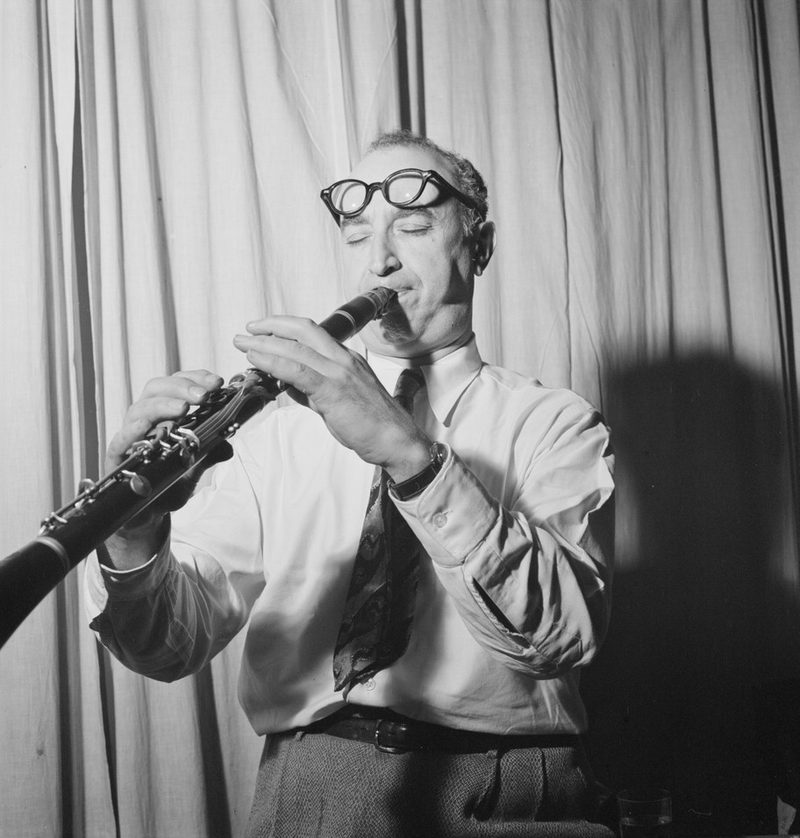
- Sidney Bechet (1897–1959) — clarinetist and soprano saxophonist; New Orleans-born.
- Louis Armstrong (1901–1971) — born in New Orleans; the most famous and articulate cannabis advocate of the 20th century. See full Armstrong page.
The Slang Vocabulary
The cannabis vocabulary developed in New Orleans music circles became a lasting part of American slang:
- "Muggles" — joints; the title of Armstrong's December 7, 1928 recording.
- "Gage" — Armstrong's preferred term in his private letters.
- "Tea" — broader 1920s slang.
- "Reefer" — appeared by the late 1920s, became dominant in 1930s.
- "Mezz" — high-quality cannabis, after Mezz Mezzrow.
- "Mary Jane", "weed", "grass" — broader American slang absorbed into New Orleans usage.
The Caribbean and Mexican Sources
New Orleans's cannabis came primarily from two import paths:
- Mexico — particularly from Veracruz and Yucatán, brought up through the Gulf of Mexico into Louisiana ports.
- The Caribbean — from Havana, the Bahamas, and various smaller Caribbean nations; both for re-export and for New Orleans local markets.
The U.S.-Mexican rail connections through Texas and New Mexico added a secondary path that brought cannabis north into U.S. markets via San Antonio and Houston.
The Mestizo Curandera Tradition
Cannabis is not pre-Hispanic in the Mexican indigenous tradition; it was introduced by Spanish colonists. But by the late 19th century, Mexican mestizo curandera traditions had incorporated cannabis (sometimes called Santa Rosa) into folk-medical practice. New Orleans's cannabis import included this folk-medical tradition alongside its recreational dimensions. See MexicoCannabis.org for the broader Latin-American cannabis context.
The 1937 Marijuana Tax Act and the New Orleans Connection
Federal Bureau of Narcotics chief Harry J. Anslinger's 1936–1937 propaganda campaign that produced the Marijuana Tax Act of 1937 leaned heavily on New Orleans cases. Several New Orleans-area arrests of Black and Latino men were used in his "Gore File," the lurid case-summary collection he distributed to journalists and Congress. See full Anslinger page.
What Endures
Walk through the French Quarter on any spring evening and you can smell the through-line. The jazz spilling from a corner bar, the secondhand cannabis from a balcony, the musician on break who learned his trade from a player who learned it from someone who knew Armstrong — that is Louisiana's cannabis history living in real time. The state's pharmacy-only legal framework is the work of one set of hands; the cultural fact of cannabis here was settled long before the legislature took notice.
Further Reading
- Mezz Mezzrow, Really the Blues (1946) — primary-source memoir.
- Louis Armstrong's private letters and autobiographical writings.
- Modern jazz scholarship from the Louisiana State Museum's New Orleans Jazz Museum.
For in-depth cannabis education, dosing guides, safety information, and research summaries, visit our partner site TryCannabis.org
Related on this site: Cajun & Creole Cannabis Attitudes, Storyville, Send a Message.